
The liver plays a vital role in detoxifying the body, breaking down harmful substances, and processing nutrients. However, excessive alcohol consumption can cause severe liver damage over time, leading to conditions such as fatty liver disease, alcoholic hepatitis, fibrosis, and even cirrhosis. The good news? The liver has remarkable regenerative capabilities, meaning that quitting alcohol and adopting a healthier lifestyle can set the stage for healing.
At Refine Recovery, we understand that alcohol addiction can take a toll on your body and mind. Our luxury addiction treatment center in Los Angeles provides medically sophisticated detox and holistic therapies to help individuals regain their health and find lasting sobriety.
If you or a loved one has stopped drinking, you may be wondering: How do I know if my liver is healing? Below, we’ll explore the signs your liver is healing from alcohol and what you can do to support your recovery.
Early Signs of Liver Healing After Quitting Alcohol
The liver has an incredible ability to regenerate, and once alcohol is removed from the body, it immediately begins repairing damage. According to a comprehensive review in the National Library of Medicine, the liver is unique among organs in its ability to regenerate after injury, with as little as 25% of the original liver mass able to regenerate back to its full size. The speed of recovery depends on factors such as the severity of liver damage, overall health, and lifestyle choices. While some individuals may experience noticeable improvements within weeks, others with more severe liver damage may require months or even years to see significant progress. However, even in cases of long-term alcohol use, stopping drinking allows the liver to function more efficiently, reducing stress on the body and improving overall health.
1. Decreased Inflammation and Liver Enzymes Normalize
One of the first measurable signs of liver recovery is a reduction in inflammation, which is often detected through liver enzyme levels. The liver releases enzymes such as aspartate aminotransferase (AST) and alanine aminotransferase (ALT) into the bloodstream when it is under stress or sustaining damage. Heavy alcohol consumption raises these enzyme levels, indicating liver injury.
A clinical review published in StatPearls explains that elevated liver enzymes are primary biomarkers for alcohol-induced liver injury, and monitoring their reduction is a reliable way to track recovery. Once alcohol consumption stops, the liver begins repairing itself, and these enzyme levels gradually decrease. In cases of mild to moderate alcohol-related liver disease, AST and ALT levels can return to normal within a few weeks to a few months, signaling a reduction in liver inflammation and improved overall function.
According to a recent study published in the National Library of Medicine, liver enzyme levels can begin normalizing within 4-8 weeks of alcohol abstinence, with significant improvements observed in patients who maintain sobriety.
“We typically see liver enzyme levels begin to normalize within 7-14 days of alcohol cessation in patients with mild to moderate liver damage,” explains Dr. Meghan Wood, MD, Ph.D., Chief Clinical Officer and Director at Refine Recovery. “This is an encouraging early indicator that the healing process has begun.”
2. Improved Energy Levels
Chronic alcohol use places a significant burden on the liver, making it harder for the body to regulate glucose levels, metabolize nutrients, and eliminate toxins. This often results in fatigue and sluggishness, making daily tasks feel more exhausting than they should be.
When alcohol is removed from the system, the liver is no longer overburdened, allowing it to efficiently support energy production. Many people who stop drinking report noticeable increases in energy within the first few weeks. As the liver continues to heal, metabolism stabilizes, and the body becomes better equipped to maintain steady energy levels, reducing the persistent exhaustion that often accompanies heavy alcohol use.
Research from the National Institute on Alcohol Abuse and Alcoholism confirms that alcohol disrupts normal energy metabolism, and removing alcohol allows the body to restore proper metabolic function.
At Refine Recovery, our holistic wellness programs, including yoga and fitness activities with certified trainers, help maximize this natural energy boost to support your overall recovery process.
3. Better Digestion and Appetite Return
Alcohol can have a major impact on digestion, leading to inflammation in the stomach lining, poor absorption of essential nutrients, and a disrupted gut microbiome. This often results in symptoms such as loss of appetite, bloating, acid reflux, and indigestion.
When alcohol is removed, the liver can more effectively regulate bile production, which is essential for breaking down fats and absorbing fat-soluble vitamins. Over time, digestion improves, and the body begins to absorb nutrients more efficiently. Many people notice that their appetite gradually returns within the first few weeks of sobriety, allowing them to properly nourish their bodies and support overall healing.
Our on-site chefs prepare nutritionally balanced, gourmet meals specifically designed to support liver healing and overall wellness during recovery. These meals incorporate principles of nutritional therapy, which plays a crucial role in supporting liver regeneration.
4. Reduction in Jaundice (Yellowing of Skin and Eyes)
Jaundice is a condition caused by high levels of bilirubin, a yellow pigment that results from the breakdown of red blood cells. When the liver is functioning properly, it processes and eliminates bilirubin from the body. However, excessive alcohol use can impair liver function, leading to a buildup of bilirubin in the bloodstream.
This causes the skin and whites of the eyes to take on a yellowish tint, which is one of the most visible signs of liver distress. When alcohol is removed, the liver gradually regains its ability to process bilirubin effectively, leading to a reduction in jaundice. While some individuals notice improvements within weeks, others with more severe liver impairment may require longer recovery periods before their skin tone fully normalizes.
According to the American Liver Foundation, jaundice improvement can be a significant indicator of liver recovery, particularly in the early stages of abstinence.
By recognizing these early signs of liver healing, individuals can feel encouraged that their bodies are actively repairing the damage caused by alcohol. While liver regeneration takes time, maintaining sobriety, adopting a nutrient-rich diet, staying hydrated, and engaging in regular physical activity can support the healing process. Even in cases of long-term alcohol use, quitting drinking provides the liver with an opportunity to restore its essential functions, ultimately leading to improved health and well-being.
Long-Term Signs Your Liver Is Healing
With consistent sobriety, the liver continues to repair itself, leading to more profound health improvements over the months and years ahead. While the early stages of healing focus on reducing inflammation and restoring basic liver function, long-term recovery brings even greater benefits, including improved metabolism, clearer skin, and better mental clarity. The extent of recovery depends on factors such as the severity of liver damage, overall health, and adherence to a healthy lifestyle.
5. Weight Loss and Reduced Belly Fat
Excessive alcohol consumption contributes to fatty liver disease, a condition where fat accumulates in the liver, causing it to become enlarged and inflamed. This excess fat can also contribute to overall weight gain, particularly around the abdomen.
When alcohol is removed from the body, the liver begins breaking down stored fat more efficiently. Over time, as inflammation decreases and metabolic function improves, many people experience a noticeable reduction in bloating and abdominal fat. In cases where fatty liver disease is in its early stages, abstinence from alcohol and a healthy diet can completely reverse the condition, restoring normal liver function.
Research published in the Journal of Hepatology confirms that abstinence from alcohol can lead to significant improvement in fatty liver disease, with visible reductions in abdominal fat occurring within 4-12 weeks.
At Refine Recovery, our comprehensive wellness approach includes personalized fitness programs that complement this natural fat reduction process while building overall health. Our health and wellness treatment programs are designed to accelerate this healing process through targeted exercise and nutrition.
6. Clearer Skin and Fewer Skin Issues
One of the liver’s primary roles is detoxification, helping to remove harmful substances from the bloodstream. When the liver is damaged or overburdened by alcohol, toxins can build up in the body, leading to skin issues such as acne, redness, and irritation.
As liver function improves, the body becomes more efficient at eliminating waste, which often results in brighter, clearer, and more hydrated skin. Additionally, since alcohol dehydrates the skin and depletes essential vitamins, quitting drinking allows the body to restore hydration and replenish nutrients, leading to a healthier complexion over time.
The Centers for Disease Control and Prevention (CDC) notes that excessive alcohol consumption can disrupt numerous body systems, including skin health, and that abstinence allows these systems to restore normal function.
Our luxury accommodations include high-quality personal care products and amenities that support skin health during recovery. Our facility is designed to promote overall wellness, including skin health, through proper hydration and nutrition.
7. Better Mental Clarity and Mood Stability
The liver plays a significant role in brain function by filtering toxins from the bloodstream and regulating key chemicals involved in mood and cognition. When alcohol is consumed in excess, it can impair the liver’s ability to remove ammonia and other toxins that affect the nervous system, leading to brain fog, memory problems, and mood instability.
As the liver heals, many individuals notice improvements in cognitive function, including better focus, reduced brain fog, and more stable emotions. Mental clarity often improves within the first few months of sobriety, while long-term healing continues to support better overall brain health.
A study published in Alcohol Research & Health demonstrates that cognitive function can significantly improve following alcohol abstinence, with some functions recovering within weeks and others continuing to improve over months.
Our therapeutic approaches at Refine Recovery, including Cognitive Behavioral Therapy and Dialectical Behavior Therapy, help support and enhance these cognitive improvements during recovery. Our daily intentions and mindfulness group further reinforces mental clarity and emotional stability.
8. Lower Risk of Liver Scarring (Fibrosis Reversal)
Liver scarring, or fibrosis, occurs when prolonged alcohol use causes chronic inflammation and damage to liver tissue. In its early stages, fibrosis can partially or fully reverse if alcohol consumption stops and the liver is given time to heal. Over time, healthy liver cells can replace damaged tissue, restoring some of the liver’s function.
However, in cases where scarring has progressed to cirrhosis, the damage is often irreversible. That said, quitting alcohol can prevent further progression of liver disease and significantly reduce the risk of complications.
Research from the National Institute on Alcohol Abuse and Alcoholism indicates that early-stage fibrosis can show significant improvement within 6-12 months of abstinence, demonstrating the liver’s remarkable regenerative capacity.
Fibrosis reversal typically becomes apparent after 3-12 months of abstinence, depending on the severity of damage. Regular medical monitoring at Refine Recovery helps track these improvements and motivate continued progress.
Long-term liver healing is a gradual process that requires commitment to sobriety, a healthy diet, and an active lifestyle. While some changes occur within weeks, more significant improvements—such as fat loss, clearer skin, and better mental clarity—take months or even years to fully develop. Regardless of the timeline, every step taken toward liver health contributes to a stronger, more resilient body and a better quality of life.
How Alcohol Damages the Liver
Understanding how alcohol affects your liver helps put the healing process in perspective and reinforces the importance of continued sobriety.
The Progressive Nature of Liver Damage
Alcohol-related liver damage typically progresses through three main stages:
- Fatty Liver Disease: The initial stage where fat accumulates in liver cells. At this stage, damage is usually reversible with abstinence. According to the National Library of Medicine, fatty liver can develop in about 90% of individuals who drink more than 60 grams of alcohol per day (approximately 4-5 standard drinks).
- Alcoholic Hepatitis: Characterized by inflammation and more serious liver cell damage. Moderate cases can improve with abstinence, though severe cases may be life-threatening. The StatPearls review notes that this condition ranges from mild to severe, with severe forms having mortality rates as high as 50%.
- Cirrhosis: The most advanced form of liver damage, where healthy liver tissue is replaced by scar tissue. While cirrhosis itself isn’t reversible, progression can be halted, and remaining healthy liver tissue can compensate with proper treatment.
According to the National Institute on Alcohol Abuse and Alcoholism, approximately 35% of heavy drinkers develop alcoholic hepatitis, and 10-20% develop cirrhosis. However, the liver’s resilience means that healing can begin at any stage once alcohol consumption stops.
Visual Representation of Liver Damage
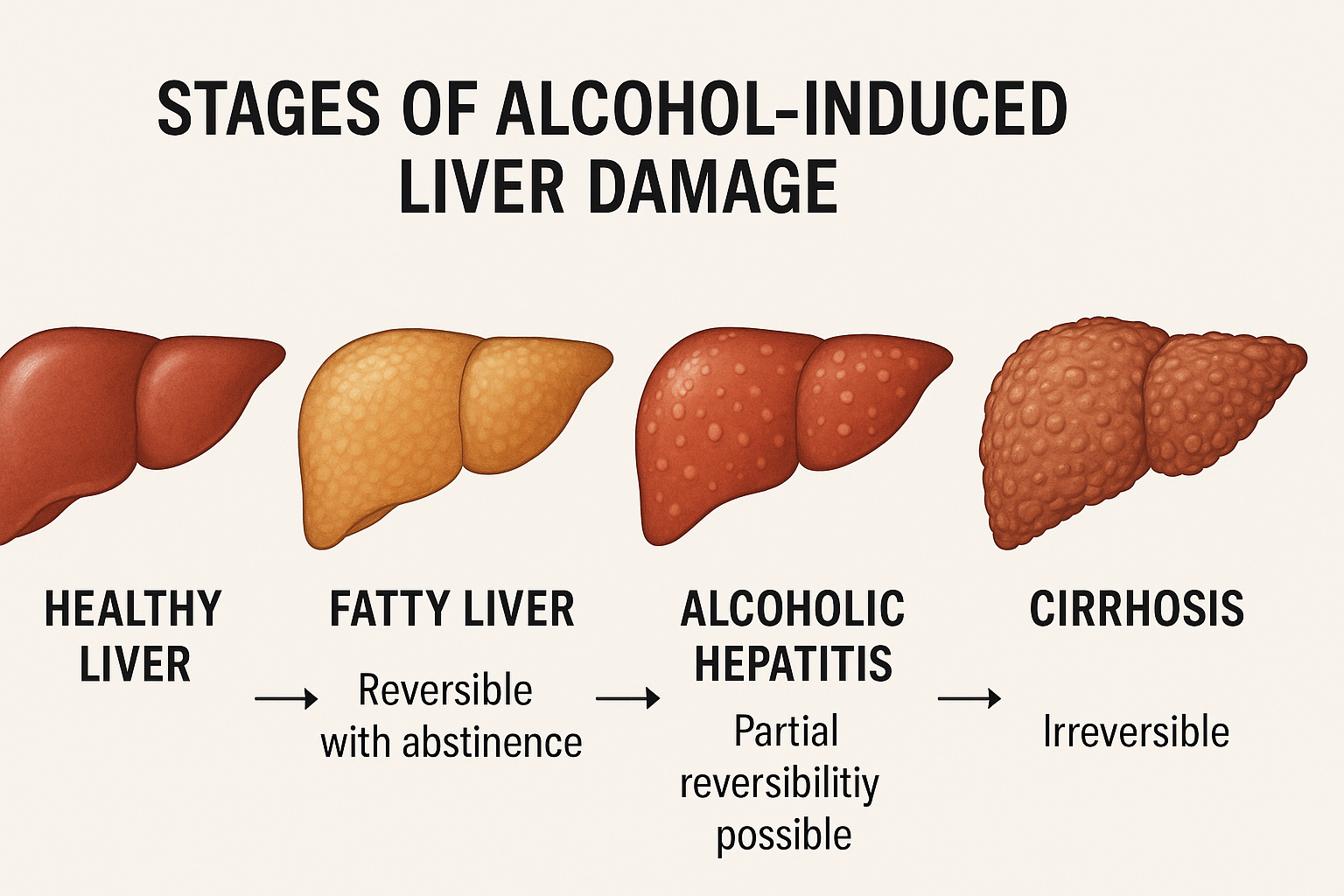
Understanding the stages of liver damage helps patients recognize the importance of early intervention. At Refine Recovery, our alcohol rehab program addresses both the physical aspects of liver damage and the psychological components of addiction, providing a comprehensive approach to healing. For those struggling with dual diagnosis conditions, we offer specialized treatment that addresses both substance use and co-occurring mental health issues.
How to Support Liver Healing During Alcohol Recovery
Quitting alcohol is the most important step toward liver healing, but other factors contribute to a strong recovery:
- Hydration: Drink plenty of water to flush out toxins and support liver function.
- Nutrient-Rich Diet: Eat foods rich in antioxidants, vitamins, and lean proteins to promote liver cell regeneration.
- Regular Exercise: Staying active helps reduce fatty liver disease and improves metabolism.
- Medical Detox and Treatment: For those struggling with alcohol dependence, a medically supervised detox ensures a safe withdrawal process and a foundation for long-term recovery.
The World Health Organization emphasizes that complete abstinence from alcohol is the most effective intervention for alcohol-related liver disease, with additional lifestyle modifications providing complementary benefits.
At Refine Recovery, our comprehensive approach enhances your liver’s natural healing abilities through:
Medical Support
Our on-site medical team provides continuous monitoring and care during detoxification and throughout your treatment journey. This includes:
- Baseline liver function assessment upon admission
- Regular blood tests to monitor improvement
- Medication management when necessary
- Nutritional supplementation to support liver health
Our path to detoxification is carefully managed to ensure that alcohol withdrawal is safe and comfortable, allowing your liver to begin its healing process under optimal conditions.
Nutritional Support for Liver Healing
Our culinary program features chef-prepared meals designed to optimize liver health:
- Antioxidant-Rich Foods: Berries, leafy greens, and vegetables help reduce oxidative stress and inflammation.
- Liver-Supporting Herbs: Our meals incorporate natural liver supporters like milk thistle, turmeric, and garlic.
- Proper Hydration: Our luxury facility provides constant access to filtered water and healthy beverages to support detoxification.
- Balanced Nutrition: Meals are carefully planned to provide optimal protein, complex carbohydrates, and healthy fats for liver regeneration.
Research published in the Journal of Clinical Medicine demonstrates that specific nutritional interventions can significantly improve liver function during recovery from alcohol-related liver damage.
Physical Wellness Program
Our state-of-the-art fitness center and wellness activities support liver healing through:
- Gentle exercise that increases blood flow to the liver
- Yoga practices that reduce stress and promote detoxification
- Swimming in our outdoor pools to provide low-impact cardiovascular benefits
- Guided breathwork sessions that enhance oxygen delivery to healing tissues
At Refine Recovery, we offer medically managed detox, residential treatment, and holistic therapies like yoga, breathwork, and nutrition therapy to help our clients heal physically and mentally. For those experiencing complications like alcoholic neuropathy, our personalized treatment plans address both the neurological symptoms and the underlying alcohol use disorder, providing a comprehensive path to recovery.
When Is It Time to Seek Medical Help?
While liver healing is a natural process, certain symptoms may indicate complications requiring immediate medical attention:
Warning Signs That Require Medical Intervention
Contact your healthcare provider immediately if you experience:
- Severe abdominal pain or swelling
- Persistent vomiting or nausea
- Extreme fatigue not improved by rest
- Dark urine or pale stool
- Confusion or disorientation
- Bleeding tendencies
The Mayo Clinic advises seeking immediate medical care for these symptoms, as they may indicate serious liver complications that require prompt treatment.
At Refine Recovery, our on-site medical team provides 24/7 monitoring to address any concerning symptoms immediately, ensuring your safety throughout the recovery process. Our emotion regulation and relapse prevention therapy programs help clients manage the challenges of early recovery while their bodies heal.
Frequently Asked Questions About Liver Healing
How long does it take for the liver to heal completely?
The timeline for liver healing varies based on several factors, including:
- The extent and duration of alcohol use
- Your overall health status
- Genetic factors
- Presence of other liver conditions
For mild alcohol-related liver damage, significant improvement often occurs within 2-4 weeks of abstinence. More severe damage may require months or even years of sobriety to achieve optimal healing. Some patients with advanced cirrhosis may have permanent changes, though abstinence still prevents further damage and allows remaining healthy liver tissue to compensate.
Research published in Scientific Reports indicates that even after significant alcohol-related damage, the liver can show remarkable recovery within 3-12 months of abstinence.
Can liver damage be completely reversed?
Early stages of alcohol-related liver damage, such as fatty liver disease and mild alcoholic hepatitis, can often be completely reversed with abstinence and proper treatment. Even in cases of more advanced damage, the liver’s remarkable regenerative abilities allow for significant healing, though some scarring from cirrhosis may be permanent.
According to the American Liver Foundation, fatty liver disease can resolve completely within 2-6 weeks of abstinence, while more advanced conditions may show significant improvement over several months.
What foods and supplements support liver healing?
Optimal liver-supporting nutrition includes:
- Cruciferous vegetables (broccoli, Brussels sprouts, cabbage)
- Leafy greens (spinach, kale, arugula)
- Berries and citrus fruits
- Nuts, especially walnuts
- Fatty fish rich in omega-3s
- Olive oil
- Coffee (in moderation)
- Green tea
A study in the World Journal of Gastroenterology found that a Mediterranean-style diet rich in these foods can significantly improve liver function in patients with alcohol-related liver disease.
Supplements that may support liver health (always consult with a healthcare provider before starting any supplement):
- Milk thistle
- N-acetyl cysteine (NAC)
- Vitamin E
- B-complex vitamins
At Refine Recovery, our nutritional program incorporates these liver-supporting foods into delicious, chef-prepared meals designed to optimize your healing journey.
How can I tell if my liver is healing?
Common indicators that your liver is healing include:
- Improved energy levels
- Better digestion and reduced bloating
- Clearer thinking and improved mood
- Normalized liver enzyme tests
- Weight normalization, particularly around the abdomen
- Improved skin appearance
- Better sleep quality
Our medical team at Refine Recovery provides regular assessments and feedback on your liver’s healing progress throughout your treatment. Our community building approach helps clients share their healing experiences, providing additional motivation and support during recovery.
Alcohol Addiction Treatment at Refine Recovery
If you or a loved one is struggling with alcohol addiction, know that healing is possible. At Refine Recovery, we provide personalized, evidence-based treatment in a luxury setting that prioritizes your health, well-being, and long-term success.
A luxury alcohol addiction treatment program is vital for healing both your liver and your relationship with alcohol. At Refine Recovery, our Beverly Hills facility offers:
- Medical Detoxification: Safe, medically-supervised alcohol withdrawal in a comfortable environment
- Residential Treatment: Immersive healing in a luxury setting with private rooms and resort-style amenities
- Evidence-Based Therapies: Including Cognitive Behavioral Therapy, Dialectical Behavior Therapy, and family therapy
- Holistic Approaches: Incorporating meditation, yoga, fitness, and nutritional support
- Aftercare Planning: Comprehensive continuing care to maintain sobriety and support ongoing liver healing
The Substance Abuse and Mental Health Services Administration (SAMHSA) emphasizes that comprehensive treatment addressing both physical and psychological aspects of addiction offers the best outcomes for long-term recovery.
Our compassionate team understands the physical and psychological aspects of addiction and is committed to providing personalized care that addresses your unique needs. Our life skills development and psychoeducation programs ensure you have the tools needed for lasting recovery and liver health.
Start Your Healing Journey Today
Your liver’s remarkable ability to heal is supported by our comprehensive treatment approach at Refine Recovery. Take the first step toward liver health restoration and lasting recovery by contacting our admissions team today.